What Happens to a Reverse Mortgage When You Sell, Move or Die?

A reverse mortgage generally becomes repayable when you sell, move out, the last borrower dies or a default occurs. The agreement sets the exact events, deadlines and charges. Payment deferral does not remove the eventual repayment obligation.
Can You Get a Reverse Mortgage With an Existing Mortgage?
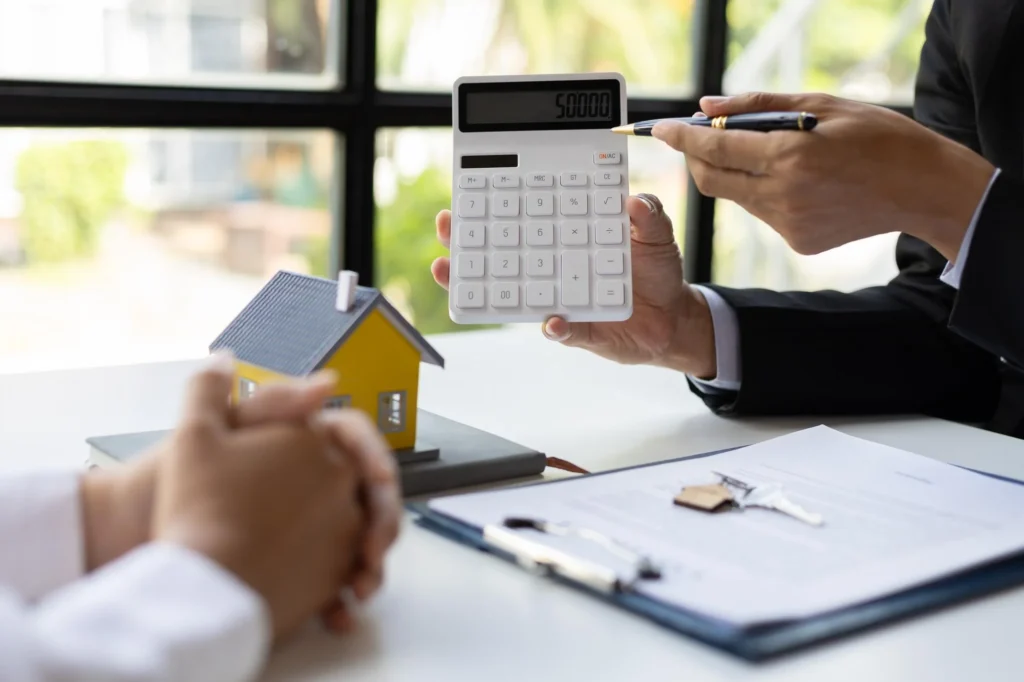
Yes, you may be able to get a reverse mortgage while you still have a regular mortgage. The lender must approve the application, and the new loan generally needs to cover the required payout of the existing mortgage and other secured debt.
Reverse Mortgage Costs in Canada: Interest, Fees and How the Balance Grows
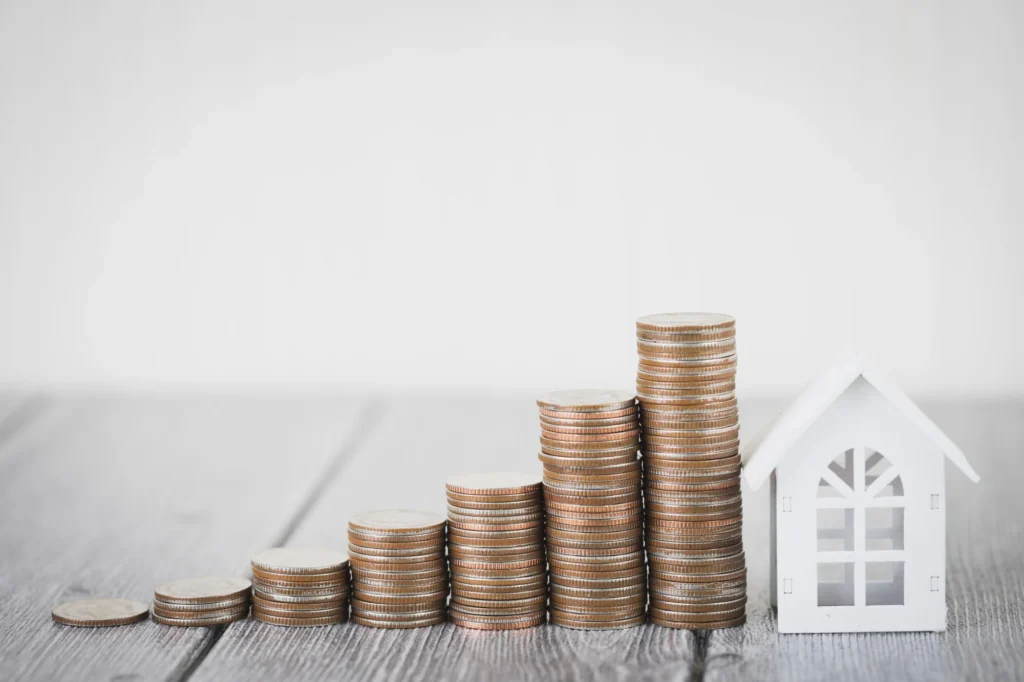
A reverse mortgage has interest and fees even though regular mortgage payments are generally not required. To understand its cost, you need to know what is charged at closing, how unpaid interest increases the balance and what you may owe when you repay.
How Much Can You Borrow With a Reverse Mortgage in Canada?
The amount you can borrow with a reverse mortgage depends on your age, your home and the lender’s rules. An advertised maximum is not a guaranteed offer, and the approved amount may be higher than the cash you receive after existing debts and fees are paid.
Reverse Mortgage in Canada: How It Works, Eligibility, Costs and Repayment

A reverse mortgage lets eligible Canadian homeowners borrow against their home without making regular mortgage payments. You keep ownership of the property, but interest increases the amount you owe if you do not pay it.